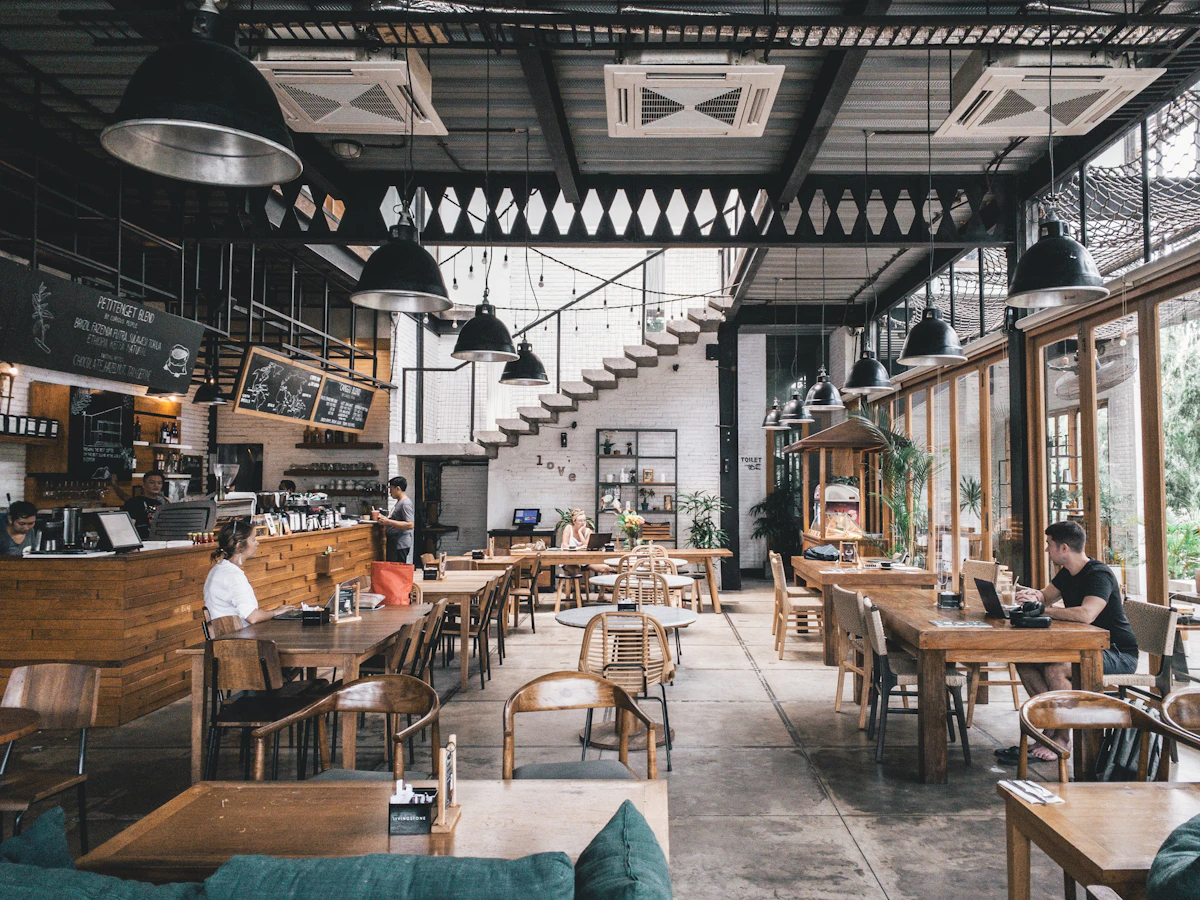
Restaurant interiors are judged quickly. Guests notice the lighting, the smell of food, and whether the chair feels comfortable before they study the menu design. For designers, seating is one of the earliest decisions that affects revenue, service flow, acoustics, and brand memory. A beautiful chair chosen too late can disrupt table spacing, while an efficient banquette without comfort can shorten visits and reduce repeat business.
The first question is not style but service model. A fast casual restaurant needs durable, easy-move chairs and tables that reset quickly. A fine dining room may prioritize longer comfort, lower noise, and a more generous spacing rhythm. A cafe needs flexible two-top arrangements for solo guests and small groups. Once the service model is clear, furniture dimensions become easier to defend because they are connected to how the restaurant earns money and how staff move through the room.
Seat height and table height should be checked together. A standard dining chair can feel wrong if the table apron is thick or the cushion compresses too much. Banquettes need special attention because the seat depth, back angle, and table base all interact. If guests cannot slide in easily or if knees hit a pedestal, the design will create daily irritation. Mocking up one bay with tape on the floor and sample furniture is a simple step that prevents expensive revisions.
Materials should match the food concept and maintenance routine. Wood chairs bring warmth, metal frames handle heavy traffic, upholstered seats increase comfort, and laminate or compact tops resist stains. There is no universal best material. The right choice depends on cleaning chemicals, turnover rate, humidity, and whether the restaurant wants a polished, rustic, or highly graphic atmosphere. Designers should ask operators who will clean the furniture, how often, and with what products.
Acoustics are often overlooked in furniture selection. Hard chairs, bare table tops, and reflective floors can make a busy dining room feel harsh. Upholstered backs, banquette panels, felt glides, and softer edge profiles can reduce some of the clatter. Furniture will not replace acoustic design, but it contributes to the sound of hospitality. A guest who can hear the conversation is more likely to stay for dessert or another drink.
Working with a restaurant furniture manufacturer during the design development phase can help translate mood boards into pieces that survive real service. Manufacturers can advise on frame reinforcement, stackability, fabric backing, edge durability, and how a custom finish will look across many chairs. This input is most valuable before drawings are frozen, because small changes at that stage are cheaper than field fixes after opening.
Designers should also plan for replacement. Restaurants are living environments: chairs break, fabrics stain, and tables get rearranged for events. Keep item codes, finish samples, fabric names, and supplier contacts in the project closeout package. If the concept expands to a second location, this record becomes a brand asset. It allows the next restaurant to repeat the atmosphere without starting from zero.
The best restaurant seating plans balance density with ease. They give servers clear paths, guests enough personal space, and owners a layout that supports revenue. Furniture is not decoration added after the floor plan. It is part of the operating system of the restaurant. Decide the details early, test them physically, and the finished room will feel effortless even when every table is full.
Before signing off, teams should document the decision trail. A simple folder with finish references, marked drawings, approval photos, and cleaning notes prevents confusion when staff changes or a second phase begins. Furniture projects often last longer than the people managing them, so records need to be understandable without a long explanation. This habit also helps future maintenance teams order the right parts instead of replacing complete pieces unnecessarily.
Budget reviews should compare value rather than trimming details blindly. Removing a stretcher, changing foam, or choosing a cheaper fabric may save money at purchase but create visible wear sooner. A better approach is to protect the details that affect structure and daily use, then simplify decorative elements that do not change performance. This keeps the project honest: attractive enough for the brand, strong enough for the setting, and realistic for the operator.
Finally, schedule decisions with production lead time in mind. Custom finishes, imported fabrics, unusual hardware, and complex curves all require earlier approval than standard items. When the furniture calendar is connected to construction, shipping, and installation, the project team can avoid rushed substitutions. Good furniture planning is rarely dramatic; it is a series of clear choices made early enough for suppliers to execute them well.
The final review should include the people who will operate the space, not only the people who designed it. Housekeeping, servers, installers, property managers, and purchasing staff all notice different risks. Their comments can reveal whether a chair is too heavy to move, a table base is hard to clean around, or a fabric choice will create avoidable service issues. When this feedback is gathered before production, the project keeps its design character while becoming easier to live with every day.
Leave a Reply