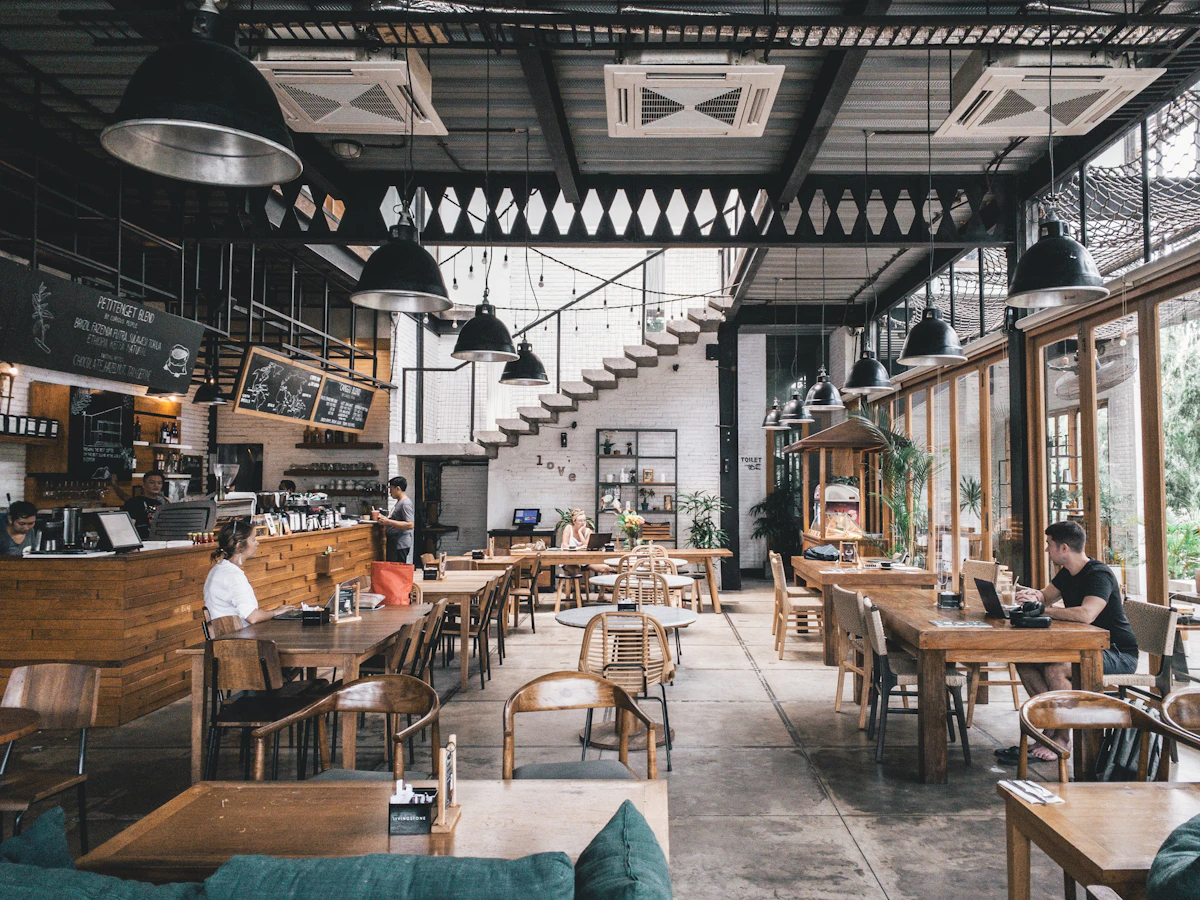
Restaurant furniture has a difficult job. It must express the concept, fit the floor plan, survive constant cleaning, and support the business model. A chair that looks beautiful but slows table turnover can hurt revenue. A table that is easy to clean but feels cold can weaken the guest experience. The best restaurant interiors treat furniture as both design language and operating equipment.
Start with the dining concept. A fine dining room, casual cafe, hotel breakfast area, and quick-service restaurant all need different seating behavior. Guests in a fine dining space may sit for two hours, so comfort and proportion are critical. A fast casual restaurant may prioritize durability, compact footprints, and easy movement. Before choosing shapes and finishes, define how long guests are expected to stay, how staff will move, and how often tables need to reset.
Layout should be tested before orders are placed. Drawings can make a room look efficient, but real circulation requires enough space for servers, guests, bags, coats, and chairs pulled away from tables. Banquettes can increase capacity along walls, while loose chairs give flexibility for groups. Two-top tables that combine into four-tops can help operators respond to changing party sizes. The goal is not simply to fit the maximum number of seats, but to fit the right number comfortably.
Chair comfort is more technical than it appears. Seat height, depth, back angle, and cushion firmness all influence the guest experience. If the seat is too low, dining posture suffers. If the back is too reclined, guests may feel relaxed but not supported for eating. Wood and metal chairs can work well in casual spaces, but edges must be shaped carefully. Upholstered chairs add softness and sound absorption, yet the fabric must handle spills and cleaning.
Tables carry heavy operational demands. They need stable bases, appropriate top sizes, and finishes that resist heat, moisture, and scratching. A pedestal base can improve legroom, but it must be heavy enough to prevent tipping. Square edges may look crisp, while softened edges can be more comfortable in tight layouts. For bars and cafes, consider whether laptops, plates, glasses, and shared dishes will all fit without making the surface feel crowded.
Material selection should reflect maintenance reality. Marble may create a premium look, but porous stone can stain if not sealed and maintained. Solid wood feels warm but may dent in high-use environments. Compact laminate, veneer with protective coatings, powder-coated metal, and engineered stone can all be useful depending on the concept. Designers should ask cleaning staff what products are used daily before finalizing finishes.
Acoustics are often overlooked. Hard chairs, stone floors, glass, and exposed ceilings can create a loud room that discourages longer visits. Upholstered banquettes, fabric panels, wood surfaces, curtains, and padded seats can help manage sound. Furniture does not solve every acoustic issue, but it contributes significantly to how comfortable the room feels when it is full.
Brand identity should appear in details rather than gimmicks. A restaurant may use a signature chair silhouette, custom booth profile, distinctive table edge, or repeated metal finish to create memory. These details should still be practical. A dramatic chair that is hard to stack, repair, or clean may become a problem after opening month. Collaboration with a restaurant furniture manufacturer can help turn a design idea into construction that fits real service conditions.
Outdoor dining adds another layer of requirements. Sunlight, rain, humidity, and temperature changes can quickly damage unsuitable materials. Outdoor chairs should be light enough for staff to move but heavy enough to feel stable. Cushions need drainage and appropriate fabric. Tables should not wobble on uneven paving. Storage plans matter too, especially in seasonal markets.
Budget decisions should include lifecycle cost. Cheap chairs may be tempting for a new opening, but replacements, repairs, and guest complaints can cost more than a stronger initial specification. At the same time, not every area requires the most expensive option. A balanced plan may invest more in high-visibility seating and use simpler durable pieces in secondary zones.
Good restaurant furniture supports atmosphere without fighting operations. It helps guests feel welcome, helps staff move efficiently, and helps owners maintain the space over time. When design teams evaluate comfort, layout, materials, cleaning, acoustics, and brand details together, the dining room becomes more than a collection of attractive objects. It becomes a working environment that serves the concept every day.
Mockups can be especially valuable for restaurants because small ergonomic problems appear quickly in real use. Place a sample chair and table in the planned spacing, then ask staff to carry plates through the aisle, pull chairs out, and reset the table as they would during service. Check whether handbags block circulation, whether table bases interfere with guests’ feet, and whether the chair weight feels manageable after repeated movement. A one-hour mockup session can reveal details that are difficult to see in renderings but very obvious during a busy dinner shift.
Leave a Reply